We’re experiencing an outage due to AWS issues. Our team is working on it with constant updates and the platform will be back live soon.
upselling-techniques-01

Restaurant upselling techniques are one of the most underused levers in hospitality. Not because they don’t work, but because they’re often misunderstood.

Many operators still associate upselling with pushy scripts or awkward sales moments. In reality, the best upselling in restaurants doesn’t feel like selling at all. It feels like good service. A well-timed drink recommendation, a suggested side that completes a dish, or a gentle nudge toward a premium option can genuinely improve the guest experience while lifting average check size.

When upselling techniques are done well, they’re rooted in confidence, product knowledge, and timing, not pressure. 

In this article, we’ll break down the upselling techniques that actually work in restaurants today that your team can apply without changing the way you serve.

What goes into upselling techniques that work in restaurants

First things first, not all upselling techniques deliver the same results. The ones that work consistently tend to share a few simple traits that align closely with good hospitality.

  • Timely: Upselling works best when it fits naturally into the flow of service. A drink suggestion as guests settle in or a side recommendation when mains are ordered feels helpful, not intrusive.
  • Relevant: The strongest upselling connects directly to what the guest is ordering and why they’re there. Pairings, upgrades, and add-ons that genuinely enhance the meal work far better than generic suggestions.
  • Guest-led: The most effective upselling responds to cues, not scripts. Questions, pauses, or enthusiasm signal opportunities, which is why context almost always beats memorised lines.

Service style plays a role too. Quick-service venues often lean on menu design and digital prompts, while full-service restaurants rely more on conversation and recommendations. Different techniques, same goal.

When these elements come together consistently, the impact is measurable. Restaurants with structured upselling programs often see overall revenue lift by 10–15%, proving that thoughtful upselling isn’t about pushing harder but about serving smarter.

7 restaurant upselling techniques that actually work

We’ve seen this play out on the floor, and the numbers back it up too. Restaurants that actively promote add-ons and meal upgrades see the average basket size jump by 19%, with online orders growing by 44%. 

It’s a clear sign that when upselling is built naturally into menus and ordering moments, guests are much more likely to say yes and your revenue grows without putting extra pressure on service. Here are 7 proven upselling techniques that actually work in restaurants.

1. Let the menu do the heavy lifting

One thing we consistently see across venues is that some of the most effective upselling happens before a server says a word. Menu layout matters more than many operators realise.

From experience, higher-value dishes placed at natural eye pauses — like the top of a section, boxed features, or chef’s picks — tend to outperform others without any extra effort from staff. Guests are already in decision-making mode at this point, and clear guidance helps them choose without feeling overwhelmed.

If you want to lean into this more strategically, it starts with how your menu is structured. Thoughtful design can subtly highlight profitable items while still feeling guest-friendly. If you’re reworking your menu or starting from scratch, this guide on creating your restaurant menu is a helpful place to begin.

upselling-techniques-02

2. Use descriptions to increase perceived value, not pressure

Well-written descriptions consistently outperform “premium” labels or price-driven cues. Guests don’t respond to hype, they respond to clarity and appetite appeal.

We’ve seen simple changes like adding preparation details or flavour cues lift interest in higher-priced items without resistance. For guests, this feels more honest and aligned with hospitality values and it works because guests understand why something costs more.

3. Recommend like a human, not a sales script

In practice, recommendation-based upselling is far more effective than direct selling. When servers speak from genuine preference — “this pairs really well” or “this is popular if you like…” — guests trust the suggestion.

It’s clear that guests are far more receptive when upselling feels conversational and scripted upsells have lower acceptance rates because they sound transactional. Our opinion? Confidence and product knowledge beats perfect wording every time.

4. Upsell at decision moments

Timing consistently makes or breaks upselling. The most successful upsells happen when guests are already choosing:

  • Drinks at arrival
  • Sides or upgrades when ordering mains
  • Desserts before clearing plates

Across service styles, this pattern holds true. Guests are more open to suggestions when they’re already engaged in a decision and mistimed upselling feels intrusive (even if the suggestion itself is good).

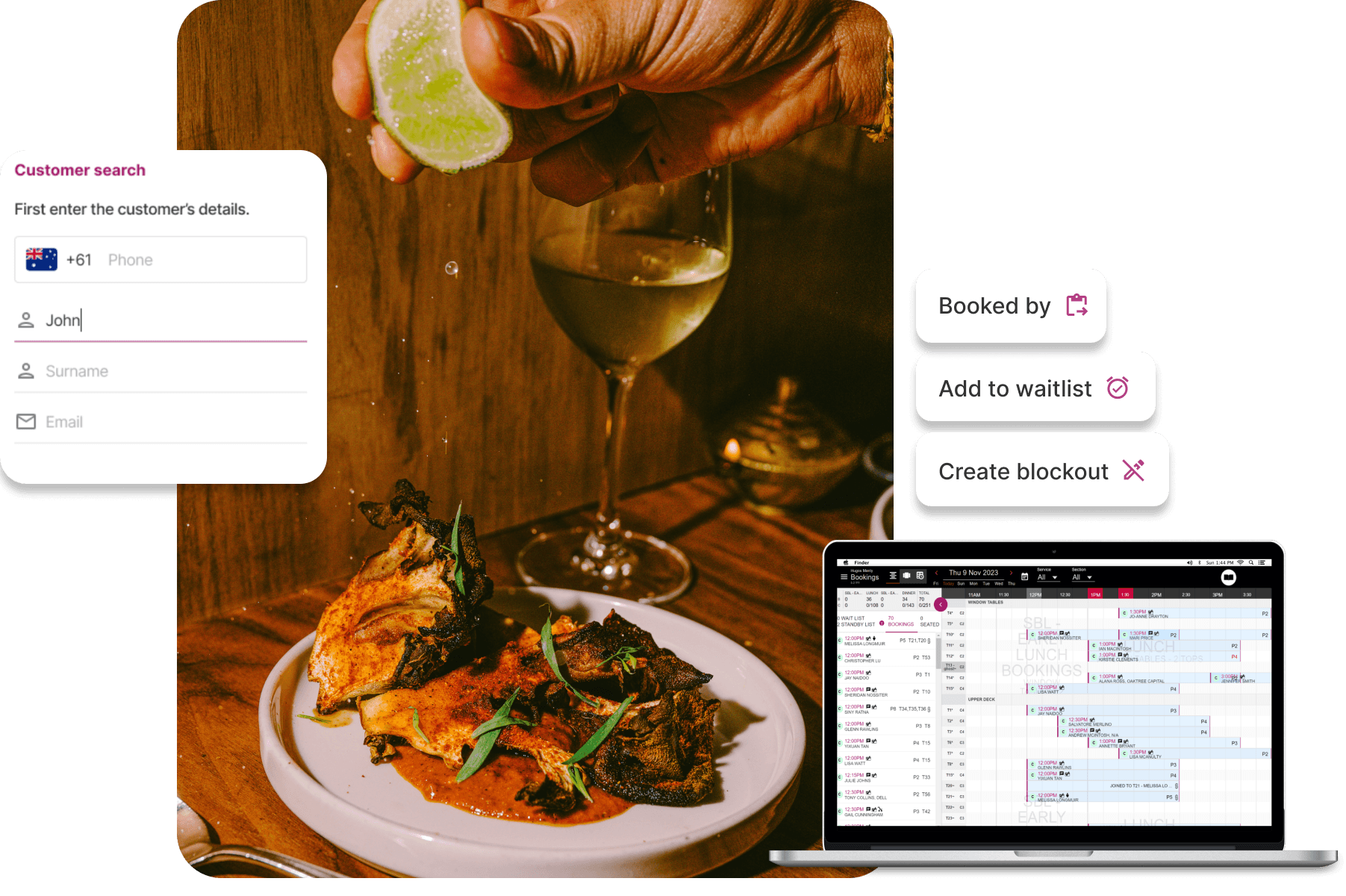
Upselling during the booking journey also works because guests are already in planning mode. They’re thinking about the experience, not just the table. Now Book It helps lift average order value by letting guests add recommended items directly to their personalised booking (no awkward pauses required).

Think pre-ordered bubbles for a celebration, a shared starter for the table, or a set dessert option. Added at the right moment, these feel like thoughtful choices, not upsells. 

5. Match the upsell to the pace of the meal

Not every table wants the same experience. From observation, faster dining occasions respond best to simple, low-friction add-ons. Longer, more relaxed meals allow room for premium drinks, shared sides, or dessert recommendations.

Our opinion is that upselling should follow the guest’s rhythm, not the restaurant’s targets. Venues that align upselling techniques with dining pace see more consistent average check growth.

upselling-techniques-03

6. Personalise upsells using what you already know

Using guest history — favourite drinks, repeat orders, or loyalty data — leads to noticeably higher acceptance rates when handled subtly.

We’ve seen this work best when staff use data as context, not a script. A simple, low-key “you enjoyed this last time” feels thoughtful rather than forced. Personalised recommendations consistently outperform generic ones, and they’re simply better hospitality.

Now Book It directly supports this kind of upselling by giving restaurants exclusive ownership of their guest database. With rich, dynamic customer profiles, teams can make more relevant suggestions, surface smarter add-ons, and encourage repeat visits, turning personalisation into a practical, revenue-driving upselling tool rather than a nice-to-have.

7. Use digital ordering to reinforce (not replace) upselling

Upselling only works when it happens at the right moment. Digital menus and QR ordering are effective because they surface sides, upgrades, and add-ons exactly when guests are already making choices. That timing is what drives higher attach rates, something we consistently see across venues using suggested prompts.

This is where Now Book It’s 24/7 AI receptionist, Sadie, adds value. By handling reservation bookings and menu enquiries at any hour, Sadie captures intent when guests are ready to decide, ensuring upsell opportunities aren’t missed (even outside service hours).

Still, tech should support staff, not replace them. Systems create consistency while people create connection. When timing, technology, and human service work together, upselling feels natural rather than forced. 

How to train staff on restaurant upselling techniques

Upselling works best when your team sees it as a way to help diners discover things they’ll genuinely enjoy rather than a rigid sales target or quota. When staff feel confident and supported, upselling becomes natural, effective, and even enjoyable.

Teaching techniques, not sales targets

Focus on building skills, not chasing numbers. In our experience, staff who understand upselling as helpful guidance rather than a sales exercise are more confident and achieve better results. Ultimately, this approach increases guest acceptance rates and keeps the experience positive.

Focus on one or two core behaviours

Simple is powerful. Pick one or two behaviours each team member can reliably repeat, like suggesting a side with mains or a drink pairing. Keeping it simple makes upselling feel natural while driving consistent attach rates.

Role-playing real service scenarios

Practice makes perfect, or at least a lot smoother. Running through realistic service situations, like first-time diners or busy tables, helps staff deliver recommendations confidently. Observation shows role-play improves upselling success because staff feel prepared for real-world interactions.

Reinforcing upselling as part of hospitality standards

When upselling is embedded in your service culture, it becomes seamless. Our experience shows that teams trained this way deliver thoughtful suggestions consistently, boosting revenue while keeping guests happy, which is a win-win that feels effortless.

upselling-techniques-04

Common upselling technique mistakes restaurants make

That said, knowing what not to do is just as important as knowing what works. Avoiding these common mistakes helps upselling feel like a natural part of service, rather than a pushy add-on guests quickly tune out.

Overloading guests with options

Too many choices can be overwhelming. If you ask us, one or two well-chosen suggestions land far better than a long list of add-ons, making the recommendation feel helpful instead of sales-driven.

Pushing high-ticket items too early

Timing is everything. Guests are far more receptive once they’ve settled in and are engaged with the meal. Jumping straight to premium items too early can feel rushed, while waiting builds trust and improves acceptance.

Using the same approach for every table

Not every table wants the same level of interaction. Teams that adjust their approach based on cues — a celebration, a quick lunch, or first-time diners — tend to see stronger results than those using a one-size-fits-all script.

Treating upselling as a KPI instead of a skill

When staff feel pressured to hit targets, recommendations often sound robotic. Teams who treat upselling as a service skill (backed by product knowledge and confidence) deliver more natural suggestions, which guests respond to far better.

Turning upselling into better hospitality

The most effective restaurant upselling techniques don’t rely on pressure, scripts, or gimmicks. They’re built into the experience, from how your menu is designed, to how your team makes recommendations, to how well you understand your guests.

When upselling is done thoughtfully, it feels less like selling and more like good hospitality. Small changes like a better-timed suggestion, a clearer menu prompt, or a more personalised recommendation can really add up quickly. 

If you’re ready to take a more guest-first, data-informed approach to upselling, Now Book It can help. The platform is built in with booking options that venues use to offer upsells.

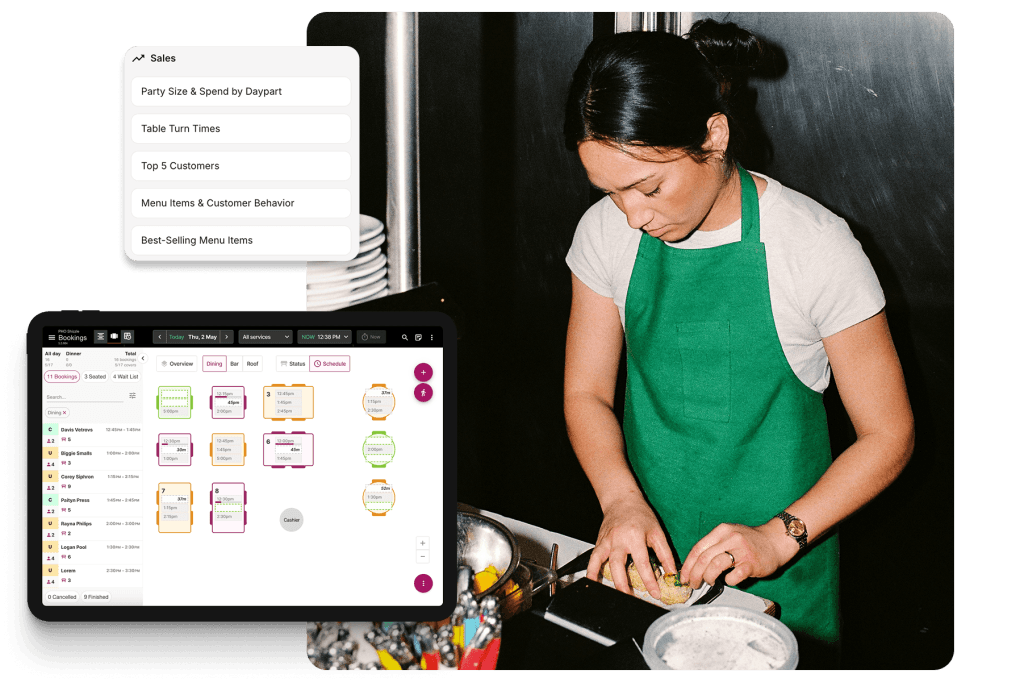
On top of that, our reservation and guest management tools give your team the context they need to personalise recommendations, streamline service, and grow revenue naturally. 

Now Book It

Schedule a Free Demo Today!

Have a question? Contact sales

By submitting this form you accept Now Book It’s Privacy Policy