

Not too long ago, payments in restaurants were straightforward. A guest finishes their meal, you print the bill, payment goes through, and that’s it.
But if you’ve worked a busy service lately, you’ll know it’s no longer that simple.
Across venues of all sizes from neighbourhood cafes to high-volume dining rooms, payments now start well before a guest even walks through the door. Deposits, pre-authorisations, set menu prepayments, online bookings; it all becomes part of the flow.
And that’s the thing — modern restaurant payment systems aren’t about making things more complicated. If anything, they should be doing the opposite: taking pressure off your team and making things feel easier and more seamless for your guests.
In this guide, we’ll walk through what a restaurant payment system actually includes today, why it matters, and how getting it right can simplify operations, improve cash flow, and create a smoother, more consistent guest experience.
What is a restaurant payment system?
When we talk about a restaurant payment system, we’re not just talking about the POS.
It’s everything connected to how payments are handled across the business — deposits, prepayments, card guarantees, refunds, and the reporting that ties it all together.
Essentially, it’s how money flows through your venue from the moment a guest books to the final reconciliation at the end of the day.
And what’s become really clear is that payments now touch every part of the guest journey:
- Before the visit: taking deposits or securing card details for bookings
- During service: making sure payments are fast, smooth, and don’t interrupt the experience
- After the visit: handling refunds, tracking revenue, and keeping records clean
On the operational side, the benefits are usually small, but they add up fast:
- Less time spent cross-checking who’s paid and who hasn’t
- Fewer manual errors from juggling multiple systems
- Smoother handovers between shifts
- Less end-of-day reconciliation stress
These are the everyday improvements teams mention most, the ones that make service feel more manageable.
And then there’s the guest experience.
Most guests won’t have issues with payments when everything runs smoothly. But when something feels unclear like a confusing deposit or slow checkout, it stands out immediately.
A well-managed system keeps things clear, consistent, and easy to follow, which builds trust without you having to think about it.
From where we sit, payments aren’t just a backend task anymore. They’re a core part of how restaurants operate day to day, and one of those areas where small improvements can make a genuinely noticeable difference.
Key components of a modern restaurant payment system
From our perspective, helping restaurants manage payments day-to-day is really about keeping things simple and reliable. A modern payment system doesn’t need to be complicated, it just needs to make life easier for your team and your guests.
Here’s how we usually break it down when talking to venues we work with:
1. In-venue payments
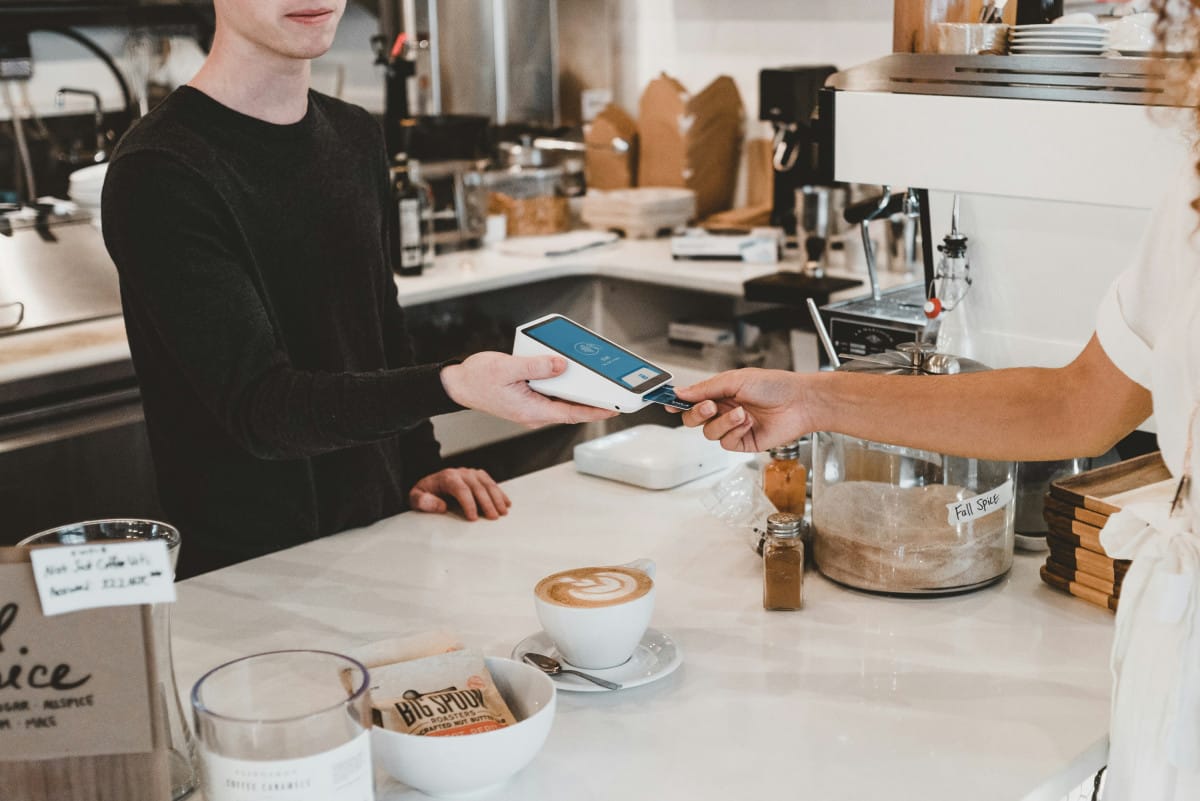
This is still the moment most people think of first, paying at the end of a meal.
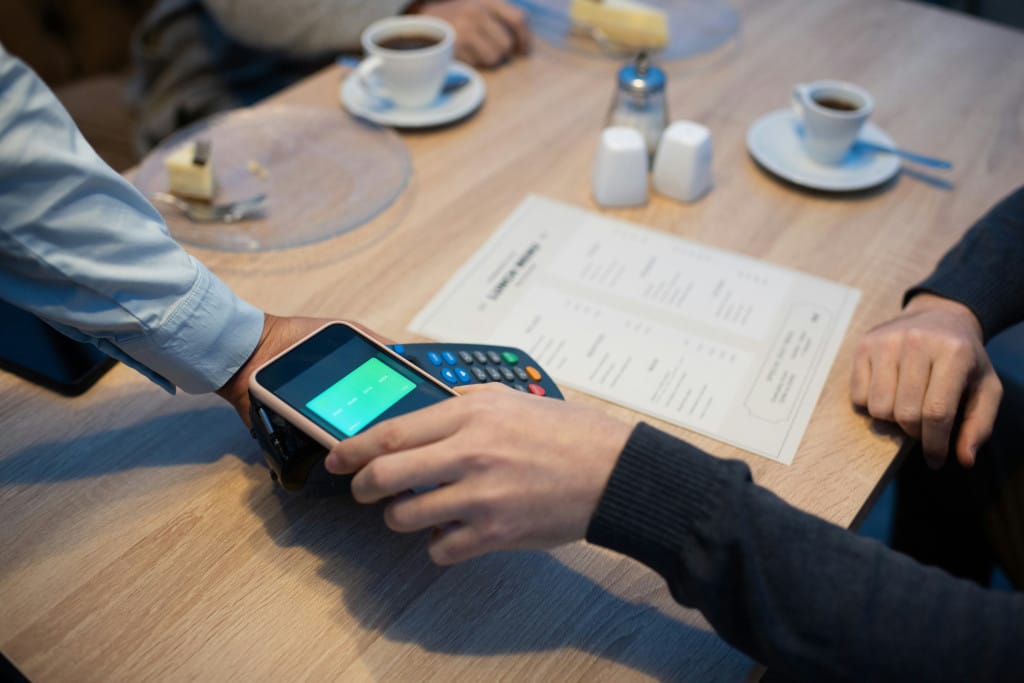
Guests now expect quick, flexible options:
- Card payments
- Mobile wallets
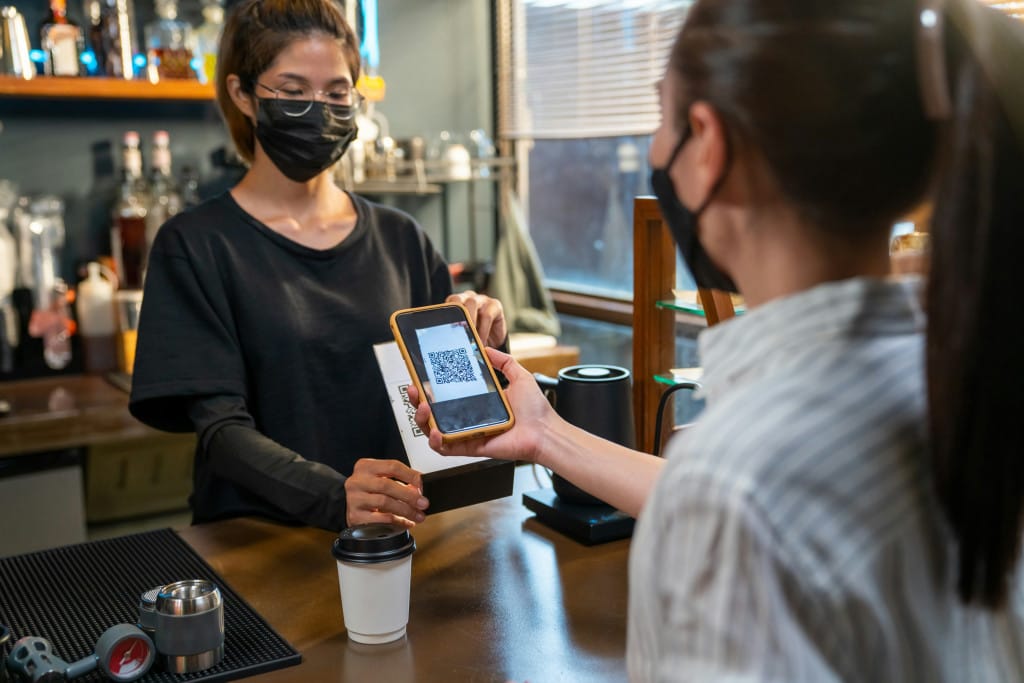
- QR codes
- Contactless tap-and-go
In fact, 58% of consumers say they like having the option to pay using QR codes at restaurants and grocery stores.
When handling peak hours, speed and reliability matter more than anything. A slow terminal or clunky process doesn’t just delay payments, it holds up tables, staff, and the overall flow of service.
When this part runs smoothly, it’s almost invisible. And that’s exactly how it should feel.
If you want to see how contactless and modern payment options are evolving in restaurants, check out our guide on whether contactless dining is relevant in 2026.
2. Online payments & prepayments
This is where things have evolved the most.
Payments are no longer just happening at the table, they’re happening at the point of booking too. That might look like:
- Deposits to secure reservations
- Card details for booking guarantees
- Prepayments for events or set menus
What’s really interesting is how much smoother this can make the whole process. Guests know what to expect upfront, and your team isn’t scrambling to confirm payments or chase last-minute changes.
3. Payment tracking & reporting
This is the part operators don’t always see until it becomes a problem.
We’ve worked with teams who used to juggle spreadsheets, POS reports, and booking notes. Let’s just say it was chaotic. Once the payments and bookings are connected, here’s what changes:
- End-of-day reconciliation happens in minutes instead of hours
- You can see exactly what’s been paid, refunded, or still outstanding
- Revenue tracking by walk-ins, bookings, or events is clear at a glance
It’s one of those things that feels like small housekeeping, but it makes a huge difference in giving operators confidence and control.
4. Refunds, cancellations, and policies
This is where a lot of friction can happen, we see it all the time.
Having clear policies isn’t about being strict; it’s about giving your team the tools to handle situations confidently and keeping expectations clear for guests.
With a good setup, you can:
- Process refunds without a headache
- Handle cancellations consistently
- Avoid confusing back-and-forth with guests over charges
It keeps both staff and guests on the same page, which always makes service feel smoother.
How to manage restaurant payment systems in your venue
Managing payments in a restaurant can feel like spinning plates when there’s a lot going on at once. From what we’ve seen working with operators, the best approach isn’t to add more tools or steps, it’s about making the system work for your team and your guests, not against them.
Here’s how we usually guide restaurants to manage payments effectively:
1. Centralise your payments
One of the biggest headaches is when in-venue payments, online bookings, and deposits live in separate systems. We’ve seen teams spend hours going through spreadsheets and POS reports which can be frustrating and easy to mess up.
Connecting everything into one system (a POS linked to your booking tool, for example) saves time, reduces errors, and gives a clear picture of your revenue at any moment. Staff aren’t chasing confirmations, and end-of-day reconciliation becomes almost stress-free.
Trust us when we say choosing the right tools makes a huge difference. Check out our guide on the best POS system for restaurants to see how the right setup can simplify payments and reporting.
2. Set clear policies and communicate them
Nothing slows service down faster than unclear rules around deposits, guarantees, and cancellations. A little upfront clarity goes a long way.
We recommend short, friendly reminders at booking, in confirmation emails, and in-person if needed. Guests appreciate knowing what to expect, and your team can operate confidently without awkward back-and-forths.
3. Automate where you can
Automation is your best friend. Pre-authorisations, deposits, and even refunds can all be handled automatically. Daily or weekly reports on revenue streams, deposits, and cancellations can be scheduled, saving staff from manual tracking.
In fact, quick‑service restaurants (QSRs) report an average 25% reduction in order wait times when using mobile POS systems, showing just how much efficiency tools can impact service speed and flow.
4. Track and analyse your data
Even smaller venues can benefit from tracking payment trends. Looking at things like no-show rates, refund frequency, and peak booking patterns, these data tells a story about how your restaurant runs.
We’ve worked with operators who noticed certain nights were high-risk for no-shows. Adjusting deposit requirements or staffing accordingly made a real difference, improving both service flow and cash flow.
5. Train your team
Even the smartest system can fail if your team isn’t confident using it. Make sure everyone knows how deposits, guarantees, refunds, and cancellations work, and can explain them clearly to guests.
From our experience, a quick 10–15 minute briefing at the start of a shift can save hours of confusion and keep everyone on the same page. That way, your staff feel empowered while guests get a smooth, confident experience.
6. Keep the guest experience seamless
Payments should feel invisible — fast, simple, and transparent. Guests shouldn’t be worrying about deposits or prepayments before they even arrive.
Bookings should be just as easy. From online reservations to walk-ins, the whole process should feel effortless for your guests. Integrated systems make this possible with online deposits, mobile payments, and clear tracking.
Tools like Now Book It’s AI assistant, Sadie, can take this even further by helping manage reservations, optimise table allocation, and ensure every booking is smooth from start to finish.
When payments and bookings run smoothly together, it doesn’t just protect your revenue — it builds trust, keeps guests happy, and encourages repeat visits.
Common challenges restaurants face with payments
(and how to solve them)
On the surface, payments seem straightforward. But behind the scenes, we see the same few challenges come up again and again across different venues.
The good news? Most of them are easier to fix than they seem.

Manual tracking across systems
This is a big one. Payments in one place, bookings in another, maybe a spreadsheet on the side to tie it all together.
It works… until things get busy.
What helps:
Bringing everything into one place. When payments and bookings are connected, you’re not jumping between systems or second-guessing your numbers. It just makes day-to-day operations feel a lot more manageable.
Refund confusion and disputes
This is where things can get awkward quickly — unclear policies, inconsistent handling, back-and-forth with guests.
What helps:
Clear, upfront policies supported by your system. When refunds and cancellations are handled consistently, there’s less confusion for everyone involved, and your team can deal with situations more confidently.
Slow service due to payment delays
We’ve all seen how one slow payment can hold up a table, which then affects the next booking, and suddenly service feels backed up.
What helps:
Keeping checkout quick and simple. Reliable terminals, contactless options, and a smooth process go a long way in keeping things moving without making guests feel rushed.
High no-show rates
Empty tables during a busy service are tough, especially when you’ve turned away other bookings.
What helps:
Simple deposit strategies or booking guarantees. Even a small deposit can make a difference. It’s less about penalising guests and more about encouraging commitment.
Why deposits and booking guarantees are becoming standard
Over the past few years, we’ve seen more and more venues introduce deposits and booking guarantees.
It’s really about finding that balance between protecting revenue and keeping the guest experience smooth.
We’ve learned that it comes down to using the right approach at the right time:
- Deposits work well for busy periods, large groups, or special events where you need a bit more commitment
- Card guarantees are a softer option — no upfront payment, but some accountability if plans change
When this is set up properly, the impact is pretty clear:
- Fewer no-shows and last-minute cancellations
- More confidence when planning staff and prep
- Less pressure during peak service because bookings are more reliable
If reducing no-shows is something you’re actively working on, here’s a practical guide on how to reduce no-shows
We’ve also seen that having the right tools makes a huge difference. Now Book It, for example, integrates seamlessly with Stripe and Ezypay, making it easy for diners to pay deposits or set up booking guarantees at the time of reservation.
If you’re worried that guests might push back on deposits or guarantees, you’ll find it’s typically not an issue as long as it’s explained clearly upfront.
At the end of the day, it’s about setting expectations early so everyone’s on the same page.
Managing restaurant payments shouldn’t feel like extra work
When everything’s connected and set up properly, things just run smoother — fewer no-shows, less admin, and a better experience for your guests without your team having to think twice about it.
If your current setup feels a bit all over the place, it might be a good time to rethink how your bookings and payments work together.