
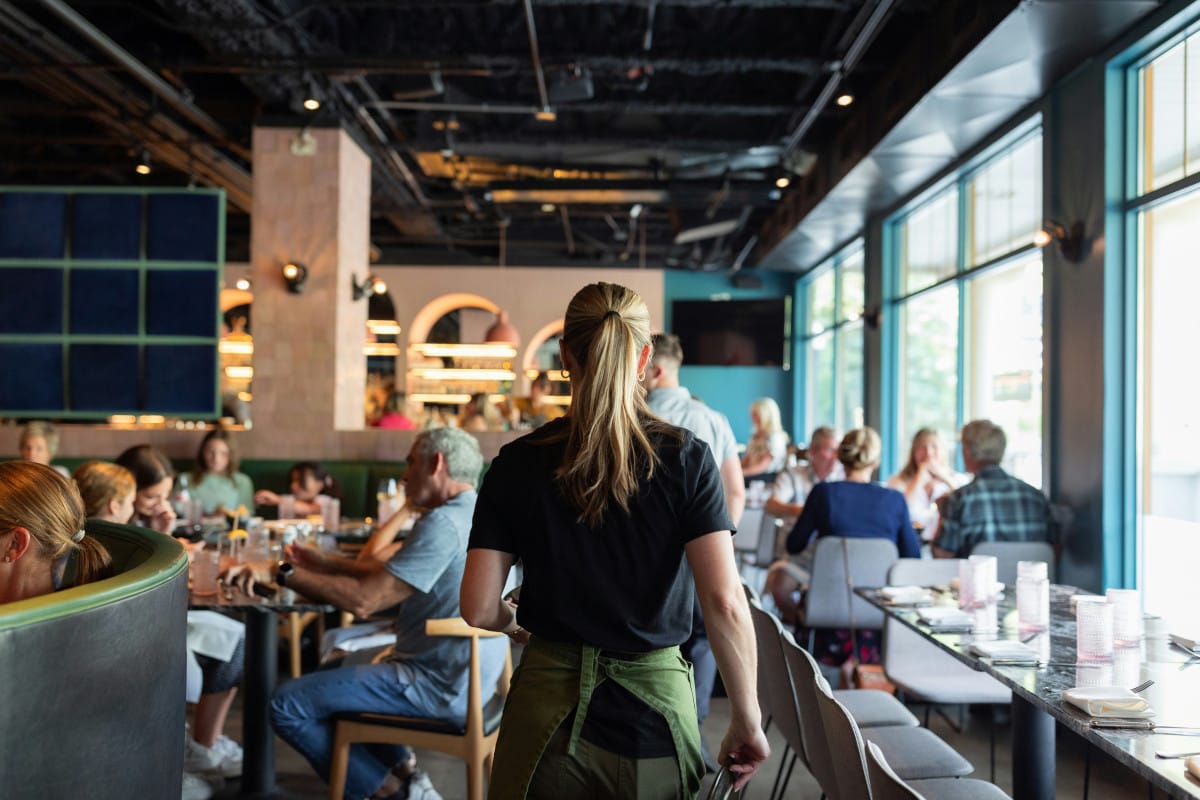


Some of the toughest services we’ve seen haven’t happened in struggling venues, they’ve happened in well-run restaurants that simply treated a holiday like a normal Saturday.
During holidays and major events, a few things reliably change:
- Booking behaviour shifts – Guests book earlier, in larger groups, and last-minute spikes are common.
- Expectations rise – Holiday diners are celebrating something important and are less forgiving of delays.
- Operations are stretched – Table turns slow, kitchens get busier, and teams often include seasonal staff.
We’ve seen venues try to “power through” by opening every possible booking slot. Usually, that creates more stress than revenue. Using blockouts work as a preventative tool, protecting service flow before things start to unravel.
In this article, we’ll explain how blockouts work, when to use them, and how they help restaurants stay in control during peak seasons. Keep reading to learn how!
What are blockout dates in restaurant booking management?
In practical terms, blockout dates are specific calendar dates when bookings are restricted or unavailable. They are pre-planned periods when restaurants adjust how reservations are accepted, rather than leaving full availability open. Within restaurant booking management, blockouts are commonly used to:
- Limit or pause certain reservation types
- Reduce pressure during peak service windows
- Protect high-value trading periods from poor pacing
Blockout dates don’t mean the restaurant is closed or guests aren’t welcome. Many venues still take walk-ins, prioritise regulars, or manage bookings manually during these periods. What they do signal is intention.
Rather than letting the system fill every table automatically, blockouts give operators control over how the room flows. This supports smarter restaurant capacity management, especially when dining times stretch longer and arrival patterns are unpredictable.
When restaurants should use blockouts
Blockouts are most effective when applied selectively around high-demand periods or operational constraints. They help restaurants manage capacity, protect service quality, and optimise both team performance and guest experience. Here’s when to use them:
- High-demand holidays – Think Valentine’s Day, Mother’s Day, or New Year’s Eve. Guests linger longer, expectations run high, and even small delays are noticed. Blockouts give your team control to focus on specific areas or tables, minus the full-floor chaos.
- Major local events – Concerts, sporting finals, or festivals often trigger unpredictable bookings and last-minute arrivals. Blocking certain slots helps balance online reservations and walk-ins.
- Peak periods with operational limits – Running on smaller teams, reduced kitchen capacity or featuring a set menu? Blockouts ensure bookings match what the operation can realistically deliver.
- Private or special events – Chef’s tables, celebrations, or larger group bookings often need dedicated space and attention. Reserving key periods, especially when managing restaurant events helps prevent clashes and keeps service flowing.
- Internal priorities – Use blockouts to carve out time for staff training, team events, or maintenance. Protecting these periods keeps operations running without disrupting guests.
It’s no secret that bookings spike around certain dates (refer to our essential restaurant holiday calendar!), and with them come a flood of questions, changes, and last-minute requests.
Now Book It’s AI phone host, Sadie helps handle common booking questions and changes automatically, freeing up the team to focus on service while blockout dates are in play, especially during busy holiday periods.

How blockout dates work in practice
Once you move past the theory, blockout dates are far less about saying “no” to guests and far more about setting your team up to win on the busiest days.
Here’s how to use them in real service:
1. Plan blockouts as part of restaurant capacity management
Some of the most chaotic peak services we’ve seen had one thing in common: blockouts were switched on too late, after the booking diary was already full.
Peak seasons behave differently to everyday service, and the signs are usually there well in advance. Looking back at previous holidays and major events often shows where capacity was stretched, table turns slowed, or no-shows spiked. Restaurants that plan blockout dates early use this history to set limits before demand builds, rather than as a last ditch effort in crisis control.
This way, blockouts become a core part of restaurant capacity management, helping operators stay in control when service patterns are least predictable.
2. Use blockouts to support smarter restaurant booking management
Leaving full availability open during peak periods can feel like the right move, but it often leads to lopsided services. We’ve watched booking systems load prime-time slots early, pushing too many covers into the same windows and overwhelming kitchens and floor teams.
Blockouts help shift the focus from how many bookings you take to how they arrive. By controlling online availability, restaurants can balance pre-booked guests with walk-ins, smooth arrival patterns, and ease pressure during the busiest parts of service.
When paired with simple guest reminders, the impact is even stronger. Restaurants using 24-hour reminders report 15–25% fewer no-shows, helping protect capacity before the night even begins.
Together, blockouts and booking reminders make peak services far easier to manage — without shutting reservations down completely.
3. Limit the most disruptive reservation types first
Blockouts don’t have to mean switching bookings off completely. In reality, most of the pressure during peak periods comes from a handful of booking types — usually large groups, late arrivals, or bookings stacked too tightly at prime times.
Large groups are often the biggest risk. When a table of eight or ten doesn’t show, the impact is felt immediately. That’s a big chunk of revenue gone, empty seats that are hard to refill, and a service that suddenly feels off balance. It’s why many operators choose to limit large groups during blackout periods, or handle them manually.
Late arrivals cause a different kind of headache. Even being 10 minutes late can derail table turns, put the kitchen under pressure, and create a domino effect across the rest of the booking book, especially on nights that are already full.
When you do want to keep these bookings open, a little commitment goes a long way. Using booking guarantees or credit card pre-authorisation helps reduce no-shows and protect revenue, without turning away high-value guests.
With Now Book It, blockout settings can be applied selectively, either on the full day, for just a few hours or to certain areas and tables in your venue. That means you stay flexible while keeping peak services running smoothly.
4. Factor in how guest behaviour changes during holidays and events
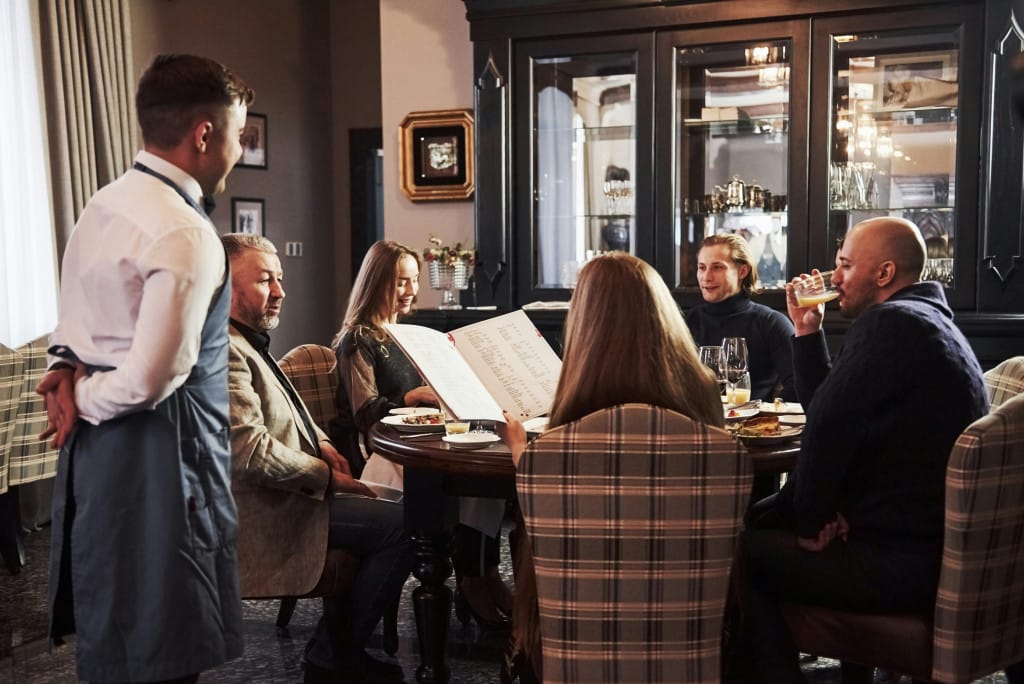
One thing our clients often learn the hard way is that holiday diners don’t follow the same rhythms as everyday guests. A recent survey of over 1,000 diners found that 68% plan to celebrate the holidays at restaurants or bars, with 31% booking three to four weeks in advance. That early demand alone changes how pressure builds long before the day arrives.
On the floor, behaviour shifts even further. Guests arrive earlier or later than expected, linger longer at the table, and are far less predictable around timing overall. We’ve seen services struggle when standard reservation rules are applied without adjustment.
Blockouts help restaurants plan for this reality. By accounting for longer dining times and uneven arrival patterns, they allow service flow to reflect what actually happens during peak periods and not what the booking system assumes will happen on a regular night.
5. Align blockouts with staffing levels and menu structure
Peak periods often come with compromises behind the scenes. Set menus, reduced offerings, or a floor staffed by a mix of experienced team members and casuals all narrow the margin for error.
In these situations, blackout dates help match reservations to what the team can realistically deliver well. In our experience, pushing volume rarely leads to better outcomes. Services that prioritise consistency tend to perform better on both guest feedback and revenue, especially during peak time reservation strategies.
6. Communicate blockout dates early and frame them around experience
Guest pushback is usually a timing issue, not a policy issue. When blockout dates are communicated early (on booking pages and confirmation messages) friction drops noticeably.
We’ve seen guests respond far more positively when blockout dates are positioned as a way to protect service flow and the overall experience, rather than as a restriction. Clear, calm messaging sets expectations before anyone walks through the door.
For example, instead of simply closing off bookings or limiting options, a venue could say:
“To ensure smooth service on Mother’s Day, online bookings are limited during peak periods. This allows our team to deliver the level of care and timing our guests expect. Walk-ins and smaller bookings may still be accommodated where possible.”
Messaging like this explains the why behind the decision. It reassures guests that the goal isn’t to reduce access, but to make the experience better once they’re seated — which, in our experience, leads to fewer complaints and more understanding on the day itself.
7. Review each peak period and refine your approach
Every holiday or major event leaves behind valuable signals. Booking patterns, table turns, guest feedback, and team input all show what worked and what didn’t.
Restaurants that review these details after each peak period build stronger instincts for when and how to use blockouts. Over time, this turns reservation planning into a repeatable system, making the next busy season far more predictable and less stressful.
Now Book It integrates with your POS, so you can manage reservations directly from the system and track customer insights across bookings, orders, and revenue all in one place. That visibility makes refining blockout settings and peak-time strategies simple, data-driven, and easier on the team.
Common restaurant blockout mistakes to avoid
Blockouts are powerful, but only when they’re used with intention. Most issues we see don’t come from using blockouts at all, they come from how they’re applied (or forgotten about) once they’re live.
Applying blockouts too broadly
One of the most common missteps is blocking out entire days or services without a clear reason. We’ve seen venues restrict bookings across a whole weekend when only one or two peak windows were actually under pressure.
The result? Empty early tables, frustrated regulars, and missed revenue that didn’t need to be sacrificed. Blockouts work best when they’re precise and tied to real capacity limits, not blanket rules.
Forgetting to brief the team
If the floor isn’t in the loop, confusion spreads. Hosts get caught off guard, managers scramble mid-service, and guests hear mixed messages. Strong operators include blockout details in pre-shift briefings so the team knows what’s restricted, why, and how to explain it.
Treating blockouts as permanent fixture
Blockouts should respond to specific trading conditions instead of becoming default rules — venues have pre-set services for that.
Leaving them on after a holiday can quietly cap bookings and hurt revenue. Peak time reservation strategies should flex with the calendar, not freeze it.
Failing to review performance after the event
Once the rush is over, it’s tempting to move straight on. But this is where the real learning happens. Reviewing booking patterns, table turns, guest feedback, and team stress levels shows whether blockouts actually did their job. The most confident operators use these insights to make each peak period smoother than the last.
The right tools also make this process far easier. With Now Book It, it’s simple to create blockouts for specific services, sections, or even individual areas. Whether a space is booked out for a private event or you’re running short on hands on the floor, that flexibility helps restaurants stay in control without over-restricting bookings.
Blockouts are about control, not limitation
Peak seasons don’t reward hope, they reward preparation. Blockouts give restaurants the control to manage demand, protect teams, and deliver a better experience for every guest.
When used strategically, blockouts let you:
- Serve fewer guests, but do it exceptionally well
- Protect your team from unnecessary stress
- Maximise revenue without creating chaos
The key is to treat blockouts as a core part of your peak-season planning, not a last-minute emergency switch.
When they’re planned, communicated, and reviewed thoughtfully, they become one of your essential tools for high-quality service.
