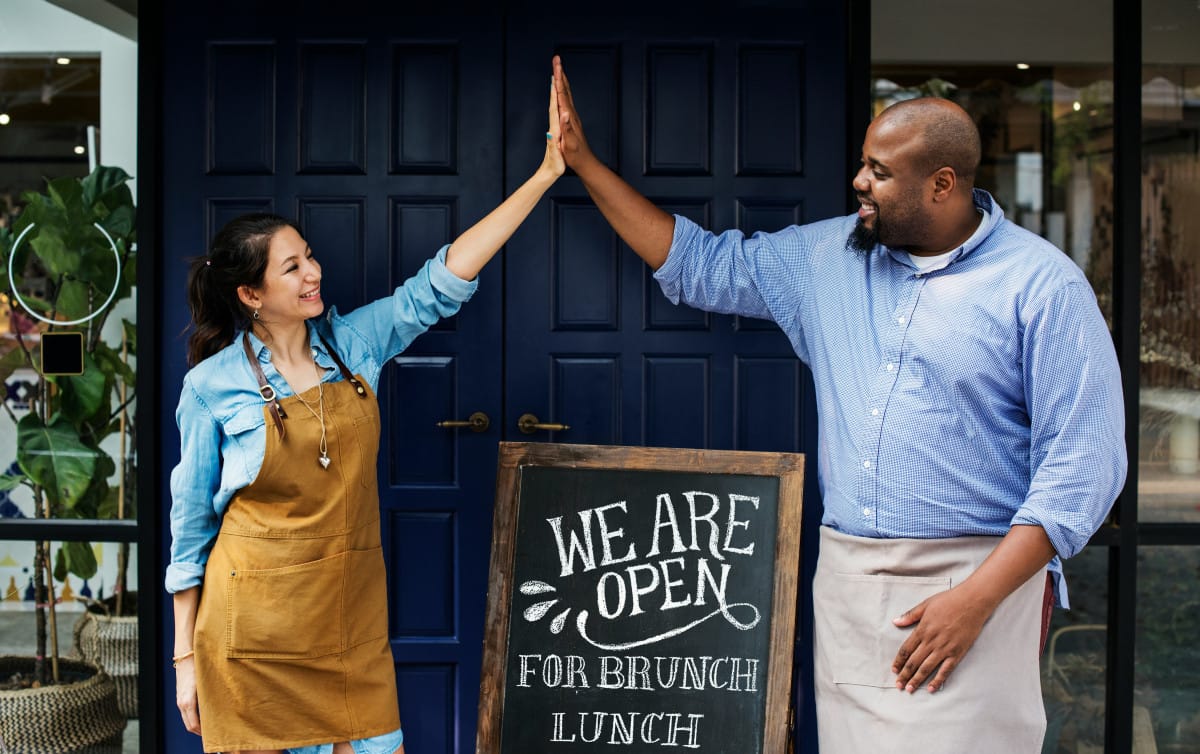


Opening a restaurant has always been challenging, but it’s definitely not getting any easier.
Costs are higher, teams are leaner, and guests are more intentional about where they dine. It’s not just about the food anymore, it’s the whole experience.
At the same time, there’s a lot more to juggle behind the scenes. From reservations and table management to inventory management and HR, you’re not just thinking about what to put on the menu. It’s a tall order to figure out how a venue runs day to day, and what systems are in place to keep things from getting overwhelming.
That’s why the restaurants doing well right now are the ones that get the balance right. This guide walks you through the full journey, from “hey, cool idea” to opening your doors (and many, many steps ahead).
In reality, opening a restaurant is never about getting everything perfect. It’s about building something that works, and keeps working.
1. Start with a clear, realistic concept
A strong concept goes beyond cuisine. It’s about the experience, price point, and most importantly, who you’re trying to bring through the door.
Where things often fall apart is overcomplication. Concepts that look exciting on paper can become difficult to execute during service, especially with a lean team.
Before locking anything in, pressure-test your idea. Not just “does it sound good?” but “can this run consistently on a quiet Tuesday?”
What to define:
- Core concept (experience, positioning, price point)
- Target guest (who fills your seats midweek?)
- Expected peak periods
What to sanity-check:
- Can your team execute this consistently?
- Does it rely too heavily on weekends?
- Is there a clear gap in the market?
Quick test: If it takes more than one sentence to explain, it may need refining.
2. Build a business plan that actually works
Most plans fail because they’re too optimistic. Reality check — costs run higher, and revenue takes longer to build.
Growth doesn’t happen overnight. Most restaurants follow a pretty steady ramp-up — early curiosity in the first couple of months, word-of-mouth building between months three to six, and only then starting to see around 30–40% of guests returning regularly.
A good plan is simple and realistic. It helps you stay in control, not just get funding.
What to map out:
- Startup costs (fit-out, equipment, licences)
- Ongoing costs (rent, labour, food, utilities)
What to calculate:
- Break-even point
- Average spend per guest
- Covers needed per week
Watch out for:
- Overestimating early demand
- Underestimating labour costs
- Not building in a buffer for slower periods
Conservative numbers might feel cautious, but they’re what keep things manageable in the first few months.
3. Choose the right location (it still matters)
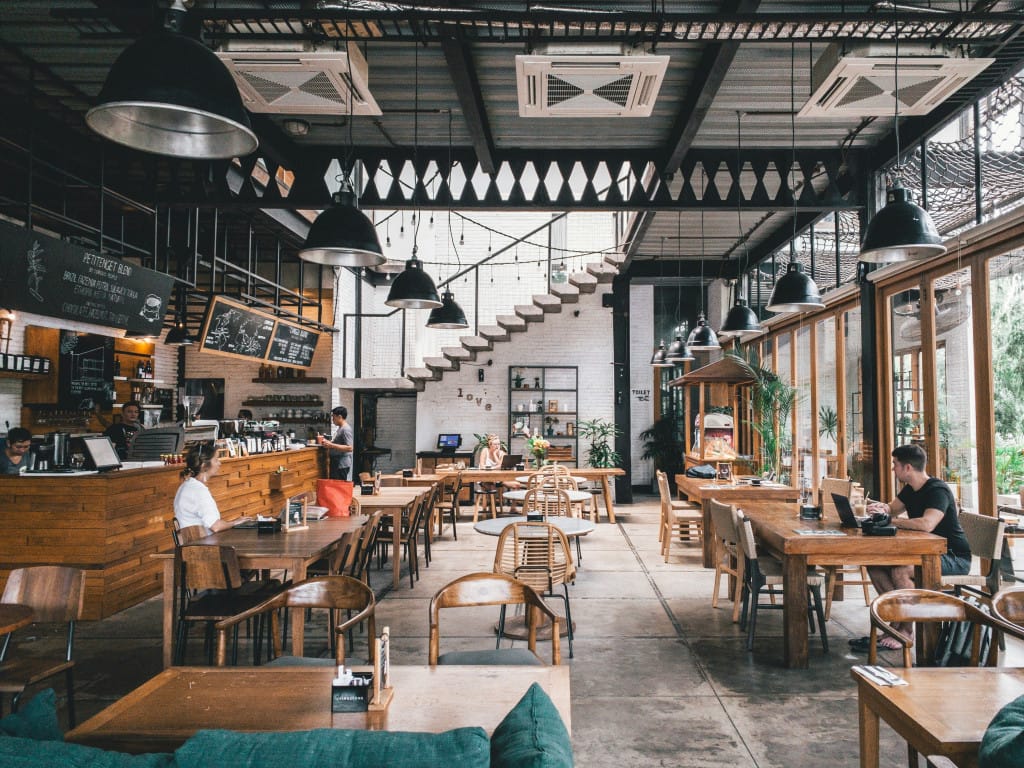
Location still matters, just not in the obvious way. Busy doesn’t always mean better, and quiet doesn’t mean risky if the fit is right.
It all comes down to alignment: your concept, your pricing, and how guests actually dine in that area.
What to assess:
- Foot traffic vs. destination appeal
- Visibility and accessibility
- Nearby businesses and competition
What to research:
- Local dining patterns (lunch vs. dinner)
- Neighbourhood demographics
- Average spend in the area
What to balance:
- Rent vs. realistic revenue
- Space size vs. demand
A strong concept helps, but the wrong location will make everything harder.
4. Navigate licences, permits & compliance
This is the part that feels straightforward, until it isn’t.
On paper, it’s a checklist. In reality, timelines can stretch, approvals can stall, and missing one requirement can delay your opening more than expected. Planning ahead here saves a lot of last-minute stress.
What to prepare:
- Business registration and legal structure
- Food safety certifications and inspections
- Liquor licence (if applicable)
- Local council approvals and permits
What to factor in:
- Processing times (these are rarely quick)
- Additional documentation requests
- Inspection scheduling delays
Helpful approach:
- Start applications as early as possible
- Keep all documents organised and accessible
- Build buffer time into your opening timeline
It’s also worth noting that requirements can vary quite a bit depending on your location — from licensing rules to inspection processes — so it’s always best to check directly with your local authorities early on.
5. Design your space for flow, not just looks
It’s easy to focus on how a space looks, but how it works matters more once service begins.
A well-designed space supports your team. A poorly designed one slows everything down, especially during peak hours.
What to prioritise:
- Kitchen layout (efficiency, communication, movement)
- Clear pathways between kitchen and floor
- Practical table spacing (not just maximising seats)
Front-of-house flow to consider:
- Waiting area for early arrivals or walk-ins
- Smooth guest entry and seating process
- Staff movement between sections
What to balance:
- Aesthetics vs. practicality
- Seating capacity vs. comfort and service speed
6. Build a menu that sells (and scales)
Your menu doesn’t need to be big, it just needs to make sense. It’s easy to want to include everything, but a tighter menu is usually easier to run, cost, and explain to guests.
It also gives your team a better shot at staying consistent, especially when things get busy.
Focus on:
- A clear direction that fits your concept and pricing
- A mix of reliable favourites and good-margin dishes
- Simple prep and some ingredient overlap
Watch out for:
- Adding too many items too quickly
- Dishes that slow the kitchen down
- Not keeping an eye on costs
In most cases, a smaller menu done well will outperform a bigger one that’s harder to execute. If you’re figuring out where to start, this menu planning guide breaks it down in a really practical way.
7. Hire and train the right team
Your team IS the guest experience. Getting your core team right early makes a big difference. These are the people who set the tone, especially in those first few months when everything is still finding its rhythm.
Key early hires:
- Head chef or kitchen lead
- Front-of-house manager
What to prioritise:
- Attitude and reliability
- Willingness to learn
- Staying calm under pressure
What to build from day one:
- Clear roles and expectations
- Simple, repeatable service standards
- A team culture that actually supports each other
Skills can be trained. Mindset is the harder part, and getting that right early sets the foundation for everything else.
If you’re putting your training together and not sure where to start, this staff training guide is a useful reference to keep things simple and on track.
8. Set up your restaurant tech stack early
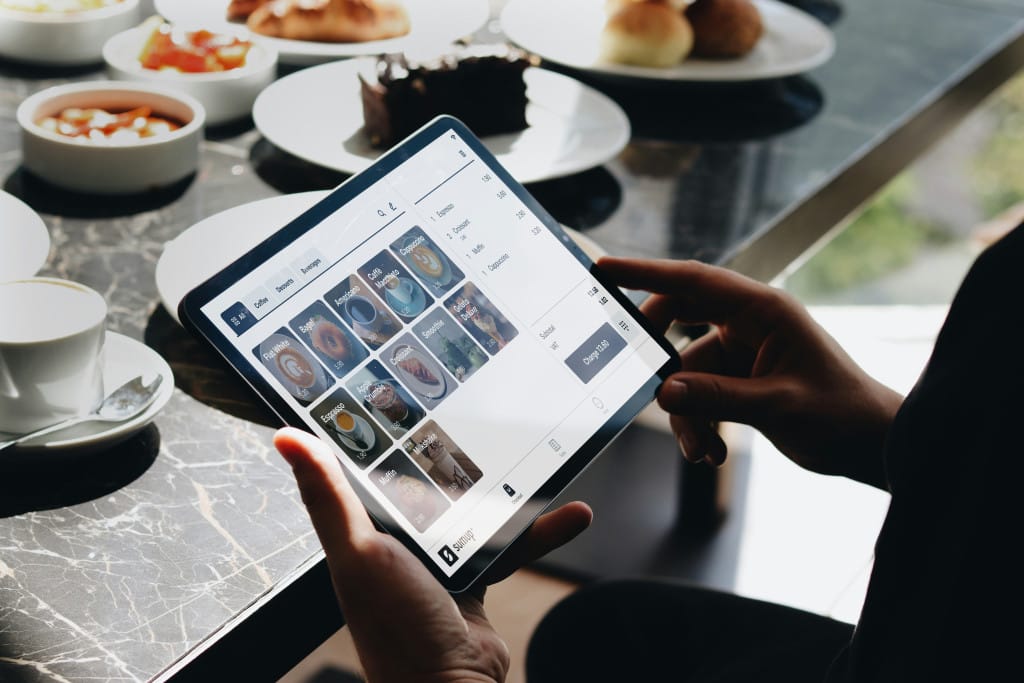
This is where a lot of newer restaurants are quietly pulling ahead.
Not because they’re doing anything flashy, but because things just work. Bookings are smooth, guest details are remembered, and the team isn’t stuck juggling calls during service.
It’s something you really notice during a busy shift. Without the right systems, even simple tasks start piling up. With them, service feels a lot more controlled.
Core systems to prioritise:
- Booking and reservation management
- Customer data and CRM
- Payments and POS integration
9. Build pre-opening buzz (before day one)
Opening day feels very different when people already know you’re coming.
A bit of early momentum goes a long way as it helps fill those first bookings and gives your team a more confident start.
Ways to build early buzz:
- Share behind-the-scenes content as you get set up
- Run soft launch nights (friends, family, industry)
- Collaborate with local businesses or creators
- Start collecting emails or bookings early
It doesn’t need to be over the top. Just enough so you’re not starting from zero.
Where Now Book It fits in:
Operations:
- Manage bookings with a real-time diary so nothing slips through
- Reduce manual admin with automation
- Let Sadie (AI assistant) handle reservations and guest enquiries, even outside opening hours
Improve the experience:
- Build a customer database over time
- Keep track of preferences, visit history, and special occasions
- Add personal touches without slowing the team down
Grow revenue:
- Sell and manage gift cards easily
- Bring in revenue beyond just dine-in
The difference shows up pretty quickly. Fewer missed bookings, less back-and-forth, and a team that can stay focused on guests instead of admin.
10. Plan a strong opening strategy
It’s tempting to go all out from day one, but that’s usually when things feel the most chaotic.
A slower, more controlled opening tends to work better. It gives your team space to settle in, fix small issues, and build confidence before things really pick up.
What to plan for:
- A soft launch before any big opening push
- Staggered bookings instead of fully packed services
- Time to gather feedback and make quick adjustments
The first few weeks often feel like an extension of training. Treating it that way takes some pressure off, and usually leads to a smoother operation long term.
If you’re thinking about how to structure your launch and build momentum, this restaurant marketing plan guide is a helpful reference to keep things on track.
11. Track the right numbers from day one
Early on, instinct can carry you, but numbers are what keep things grounded.
Once service starts, patterns show up quickly. Slower days, rising costs, stronger shifts — they’re all signals. Picking up on them early gives you more control before small issues turn into bigger ones.
What to keep an eye on:
- Daily covers and revenue
- Average spend per guest
- Labour cost percentage
- Food cost and waste
The goal isn’t to track everything. Just the numbers that actually tell you how the business is running. A simple weekly check-in is often enough to spot where to adjust and stay on track.
12. Focus on guest experience from the start
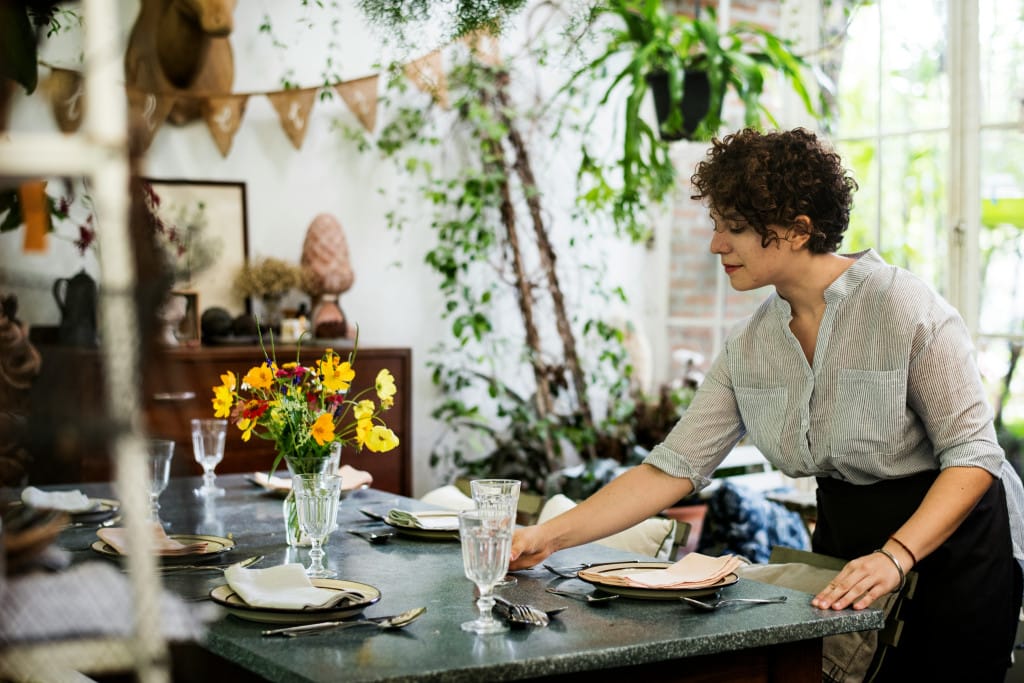
Guest expectations don’t just start at the table, it starts much earlier and ends much later than most expect.
From booking to arrival, all the way through dining and payment, every step shapes how the visit feels. When things flow smoothly, guests don’t think about it. But when they don’t…it’s the first thing they notice.
What to get right early:
- A smooth booking → arrival → dining → payment journey
- Clear communication (confirmation, timing, expectations)
- Small personal touches that make guests feel recognised
That’s where having a CRM in place really helps in remembering preferences or special occasions without relying on memory alone.
At the end of the day, guests might forget specific dishes, but they’ll remember how easy (or frustrating) the whole experience felt.
13. Build revenue beyond the table
Dine-in will always be your core, but having additional revenue streams makes the business more stable, especially during quieter periods.
A big part of that comes down to repeat customers. Around 65% of restaurant revenue typically comes from returning guests, so creating more ways for them to engage with your brand outside of a single visit really adds up over time.
It doesn’t have to be complicated. A few simple additions can make a noticeable difference.
Ways to build extra revenue:
- Gift cards (especially around holidays and special occasions)
- Private dining or small events
- Delivery or takeaway options, where it makes sense for your concept
- Loyalty strategies using your customer database
These aren’t just add-ons that help smooth out fluctuations and bring in revenue even when seats aren’t full.
14. Prepare for challenges (because they will happen)
No matter how well things are planned, there will be slower weeks, staffing gaps, and moments where operations don’t run as smoothly as expected.
That’s part of opening a restaurant, not a sign that something’s gone wrong.
What matters more is how quickly you spot the issue and adjust.
Common challenges early on:
- Slower-than-expected periods
- Last-minute staffing gaps
- Bottlenecks during service
Staying flexible, making small adjustments, and not overreacting to short-term dips usually keeps things moving in the right direction.
15. Think beyond opening day
Opening day is a milestone, but it’s not the finish line.
The first few months are where things start to take shape. Menus get refined, operations get smoother, and your team finds its rhythm.
What to plan for in the first 3–6 months:
- Menu tweaks based on what’s actually selling
- Marketing efforts to build repeat customers
- Operational improvements as patterns become clearer
At the same time, putting systems in place that can grow with you makes things easier down the line.
A lot changes after opening (and that’s expected). The goal isn’t to get everything perfect from day one, but to build something that can adapt and last.
Build smart, not just fast
Opening a restaurant in 2026 is about getting the fundamentals right — a clear concept, a strong team, and systems that support how you run day to day.
But things won’t always go to plan, and that’s part of it. What makes the difference is how well you’re set up to adapt and keep things moving.
If you’re looking to make operations smoother from the start from managing bookings to understanding your guests, the right tools can go a long way.