
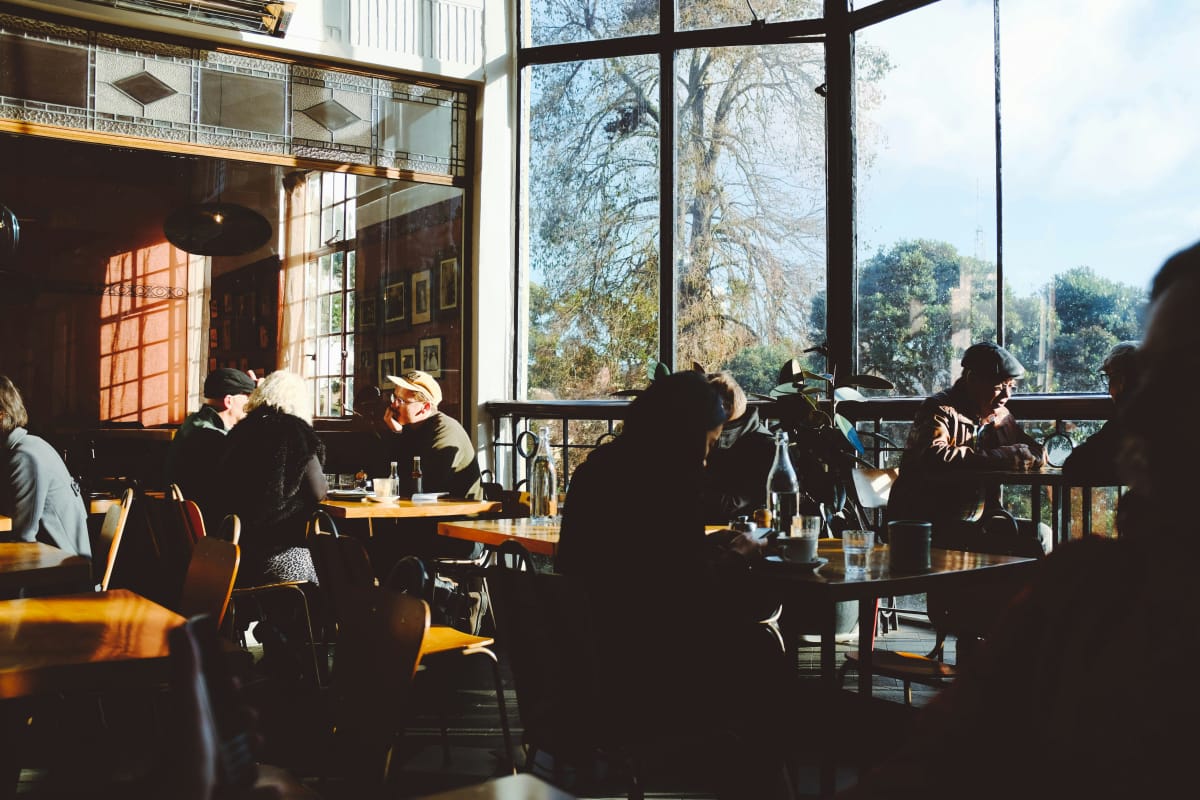


It’s 7:15 on a Saturday night. Your bookings are due to arrive over the next 30 minutes, a queue of walk-ins is building at the door, and someone with a confirmed reservation is already asking why their table isn’t ready.
It doesn’t necessarily mean anything is going wrong. In fact, it usually means you’re having a busy night. The problem is that when reservations, walk-ins and the waitlist all start competing for the same tables, things can get messy very quickly.
The goal is to know who’s arriving, which tables are available and what needs to happen next, so your team can make quick calls about which guests to seat and where to put them.
Why chaos happens in the first place
The pressure at the host stand usually isn’t just about having lots of guests. It’s trying to keep track of everything happening at once.
And with a quarter of all restaurant bookings made within three hours of the dining time, according to the Australian Dining Out Trends report, there can be a lot of last-minute movement to manage. Most bookings are made within a day of dining, too.
Which tables are actually free? Which ones are about to turn? Who’s running late? Who’s been waiting? If that information is spread across a paper diary, a separate walk-in list and someone’s memory, even simple seating decisions can take longer than they should.
That’s when the little mistakes start to creep in. A table gets assigned twice, someone on the waitlist gets overlooked, or a walk-in is seated at a table that was about to be used for a reservation.
More people at the door isn’t always the answer. What you need is one clear view of the floor, with reservations, walk-ins and the waitlist all working from the same live information.
Which booking tools make it easy to move guests between waitlist, walk-in and reservations
The real benefit of having reservations, walk-ins and a waitlist in the same system is that your team doesn’t have to keep jumping between different lists or processes.
With Now Book It, these can all be managed through the Restaurant Diary, giving your team one place to see what’s happening and update a guest’s status as the night moves along.
And when the phones are busy at the same time, our partner Sadie, AI Receptionist can help handle calls, answer common questions and take bookings, so your team can stay focused on the guests already in front of them.
Your team can:
- Add walk-ins as they arrive and keep them visible alongside the evening’s bookings.
- Manage the waitlist from the same system, so staff can see who is waiting as tables become available.
- Keep guest details and booking history together, rather than re-entering the same information when a guest moves from waiting to being seated.
- Use SMS and email templates to keep guests updated without relying on someone to send every message manually.
At the end of the day, the math is simple: the less time your team spends moving between lists, the more time they can spend looking after the guests in front of them.
Which tools show a clear live floor view so hosts can seat more efficiently
Look for a system that lets your team:
- See the table statuses at a glance, including which are available, occupied or coming up for their next booking.
- Move bookings between tables easily when plans change, without having to start the booking again.
- Match the digital floor plan to the real venue, so staff can quickly understand the layout even if they’re covering the host stand or stepping into a shift they don’t usually work.
This is where Now Book It’s Restaurant Diary and floor plan work together. Your team can see live availability across the floor and manage tables and bookings from the same place, rather than trying to piece together what’s happening from separate lists.
That matters most when things change quickly. A table might run over, a reservation might arrive early, or a larger walk-in group might need to be moved to a different section. Having the floor in front of you makes those decisions much easier.
What reservation software is best at managing long queues during peak hours without annoying guests
Guests waiting for a table are far more patient when they know what’s happening than when they’re standing in a corner wondering if they’ve been forgotten.
And peak hours can put even more pressure on the floor. ANZ found that restaurant spending was 18% higher than a normal Friday on Valentine’s Day, giving venues a good example of how quickly demand can build around a particular service.
The tools that manage long queues well share these similarities:
- They give an honest, dynamic wait estimate rather than a fixed guess that’s wrong within ten minutes.
- They let guests step away from the venue — to the bar next door, to their car — and notify them by SMS when their table is close, rather than requiring them to hover by the door.
- They give staff a quick way to prioritise or adjust the queue, for a group that arrives together after being added separately, or a guest who needs to be bumped up for an accessibility reason.
Now Book It’s waitlist tool give your team a central place to manage those guests alongside the rest of the Restaurant Diary. Guest profiles and booking history can also give staff useful context when a returning guest comes back, rather than treating every waitlist entry as a completely new interaction.
Bringing all three together on one floor
This is where the switching to the right reservation system really stands out during a busy service. It’s not just about having a reservation list, a walk-in list and a waitlist. It’s about being able to see how they all fit together.
Ideally, your team should be able to:
- See reservations, walk-ins and waitlist guests in one place.
- Check the live floor plan before deciding where to seat the next party.
- Move or update bookings as the service changes, without re-entering information.
- Keep guest profiles, booking history and notes attached to the guest record.
- Use SMS or CRM email tools to keep guests updated when needed.
With Now Book It, the booking diary, floor plan, waitlist and guest profiles are designed to work together. So when the Saturday-night rush hits, your host isn’t trying to remember three different queues at once. They have one view of the floor and the information they need to decide what happens next.
Common mistakes venues make when managing walk-ins, waitlist and reservations
A few small gaps in the process can make a busy service much harder than it needs to be. Some of the most common ones are:
- Separating the waitlist and reservations in different systems. When the two aren’t connected, it’s easy to lose track of which tables are actually available and accidentally promise the same table twice.
- Giving guests unrealistic wait times. If someone is told fifteen minutes and ends up waiting forty, they’re much more likely to feel forgotten or frustrated. It’s better to set expectations honestly and keep them updated if things change.
- Treating walk-ins as an afterthought. A guest who walks through the door still deserves a smooth experience. If there’s a table available, your team should be able to spot it quickly and make the most of it.
- Leaving the host stand short-handed during the busiest parts of service. Even with a good system in place, someone needs to be there to make quick calls when reservations, walk-ins and the waitlist are all moving at once.
Set up every service to handle the rush without the chaos
A busy floor with reservations, walk-ins and a waitlist running at once is a sign your venue is in demand.
Meeting that demand without letting the experience fall short — that’s the thinking behind how Now Book It approaches the floor:
- See the whole floor at a glance, with a real-time floor plan showing what’s happening across the venue.
- Look after every guest consistently, whether they booked weeks ago, joined the waitlist or simply walked through the door.
- Make the most of available tables, by managing walk-ins and waitlist guests alongside reservations and seating the next party as soon as a suitable table becomes available.
The mindset shift: one floor, not three queues
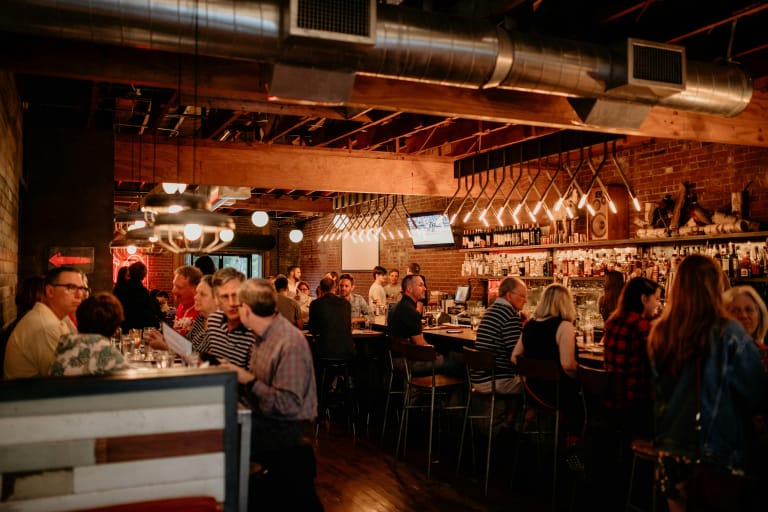
Reservations, walk-ins and a waitlist will never stop competing for the same tables on a busy night, that’s the nature of a full house.
What separates a smooth service from a chaotic one is whether your team is working from one live view of the floor, or three disconnected lists. Get that right, and a fully booked Saturday starts to feel a lot less like triage.
Frequently asked questions
Which booking tools make it easy to move guests between waitlist, walk-in, and reservations?
Platforms that let staff add walk-ins directly from the floor plan, convert a waitlisted guest into a seated booking with one action, and notify guests automatically when a table is ready make it far easier for restaurant teams to move guests between all three without re-entering details or losing track of who’s next.
Which tools show a clear live floor view so hosts can seat more efficiently?
Look for a reservation system with a visual, real-time floor plan that lets your team see table availability at a glance and make changes as the floor shifts. Top reservation system features like easy table reassignment can also help when a booking arrives early or a table takes longer to turn.
Now Book It’s Restaurant Diary gives your team a live view of the floor, so hosts can see what’s happening across the venue and make quicker seating decisions without having to piece the information together from separate lists.
What reservation software is best at managing long queues during peak hours without annoying guests?
The strongest tools give guests an honest, updating wait estimate, let them step away from the venue and get notified by SMS when their table is close, and give staff an easy way to adjust priority in the queue when circumstances change.