



Driven by shifting customer behaviour and the rise of diverse digital restaurant software, the hospitality industry continues to rapidly evolve. But if there’s one thing we know, it’s that consumers around the world are relying more heavily on online reservations.
This is, in part, due to the changes in the post-pandemic hospitality landscape. Restaurants needed to ensure tables are filled with a level of commitment to prevent profit loss while consumers had to scurry to book a spot or risk not getting a table at all.
There are also new trends to consider with developing hospo technology, from AI-powered reservations to open API guest profiles. These new ways in the world of reservations will have a tangible impact on businesses.
Keep up as we dive into global restaurant online booking and reservation statistics and trends, covering major markets from Australia and New Zealand to the United States, Canada and the United Kingdom.
More diners expect to book their table online
Online restaurant reservations have seen significant growth over the past few years, as customers begin to prioritise convenience and time management.
- Online restaurant reservations are becoming the preferred way for diners to book a table. More than half (54%) of UK consumers now choose to make their restaurant reservations online, giving them a faster and more convenient way to secure a booking.
- Restaurants are investing more in digital booking technology to meet this demand. The global restaurant reservation software market is expected to grow from USD 1.4 billion in 2024 to USD 4.5 billion by 2032, as more venues adopt tools that improve the booking experience and streamline operations.
Nearly half of all restaurant bookings are made on a mobile device
- Mobile phones have become the primary device for making restaurant reservations, similar to the mobile-first shift in many other industries such as online shopping.
- With 72% of reservations now made via smartphones, mobile booking has become essential for restaurants. Venues are adapting with faster, more convenient experiences like one-tap bookings, instant confirmations and digital waitlists.
- In Australia and New Zealand, 41% of diners use smartphones to secure bookings, followed closely by the 39% mobile booking rates in the UK.
- A review platform survey also found that 45% of consumers in both the US and Canada prefer using mobile reservation apps to book tables.

No shows and cancellations can break restaurant revenue
- Across the UK, Australia and New Zealand, restaurants report no-show rates between 15-18%. Meanwhile, as much as 20% of restaurant reservations in the US and Canada are no-shows.
- In Australia’s fine dining sector, venues saw a whopping 88% increase in cancellations last year presumably due to the rising costs of dining out.
- Empty tables can be costly for restaurants, especially during busy service periods when venues have limited opportunities to fill last-minute gaps.
- With the average restaurant operating on a pre-tax profit margin of around 5%, even small losses from missed reservations can have a meaningful impact on profitability.
- It’s not all bleak as restaurants cite the use of booking guarantees and deposit policies that have helped protect against cancellations.
Social media and reviews play a crucial role in both discovery and booking
- Social media is playing a bigger role in helping diners discover new restaurants, especially among younger audiences.
- Research from Diner Journey found that 45% of Gen Z diners use social media for restaurant discovery, making it the most influential generation for social-first dining decisions.
- To turn a guest’s “I want to try this place” moment into a real booking, restaurants need their social channels connected to their reservation system. That way, diners can book without extra steps, while venues can keep track of tables and get to know their guests better.
Integrated booking system features mean more repeat reservations
- Increasingly, restaurants are integrating reservations with additional features to retain customers. This can come in many forms, whether it’s gift cards, loyalty programmes, or events and experiences.
- Loyalty programmes have become a familiar part of everyday consumer behaviour, with 90% of Australians belonging to at least one loyalty programme. For restaurants, connecting loyalty tools with reservation systems can help create more personalised experiences and encourage guests to return.
- Gift cards offer a whole other financial upside to the restaurant business, as customers spend an additional 20-30% beyond the value of their gift card.
- 78% of diners in the millennial age group say they would prefer to spend experiences at a restaurant, compared to purchasing an item from a store.
AI is helping restaurants work smarter
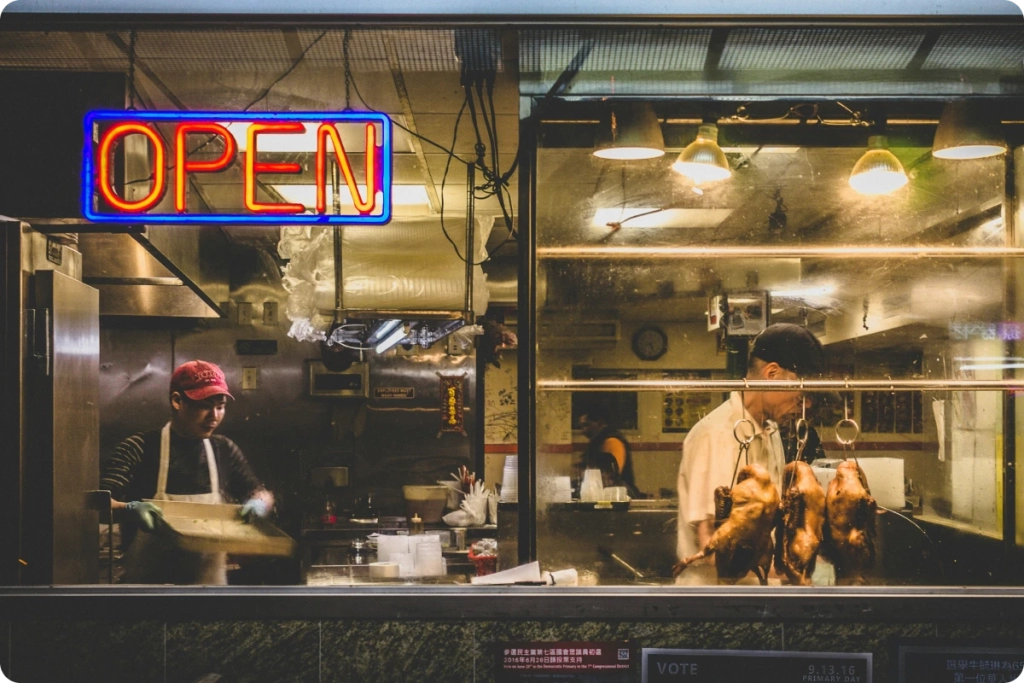
- Restaurant teams already have enough on their plates. That’s why more restaurants are turning to AI to take care of repetitive jobs, like answering calls, taking bookings and sending reservation reminders, so staff can focus on the guests in front of them.
- Eight in 10 executives plan to increase their investment in AI over the next year, with many looking to improve the guest experience while making day-to-day operations more efficient.
- Diners are warming up to AI too, with 74% comfortable using it for reservations and booking confirmations. Tools like Now Book It’s AI receptionist, Sadie, help take care of bookings and phone calls, so your team can spend more time with the guests in front of them.
Now that we know the online reservations pie is only going to get bigger, how can you make sure your venue gets a slice?
Now Book It continuously innovates alongside our thousands of venues to build the most powerful hospitality reservations platform, helping restaurant owners boost, manage and gain insights from venue bookings with ease. Speak to one of our team members to get started today!
Data sources: Statista, MetaStatInsight, Yelp Insights, TripAdvisor, Zagat, Verified Market Research, TakePayments, Intel Market Research, National Restaurant Association, NRA, DinerJourney, Australian Government Productivity Association, Deloitte, Restaurant Business